

AI Data Centres are Driving Battery Diversification

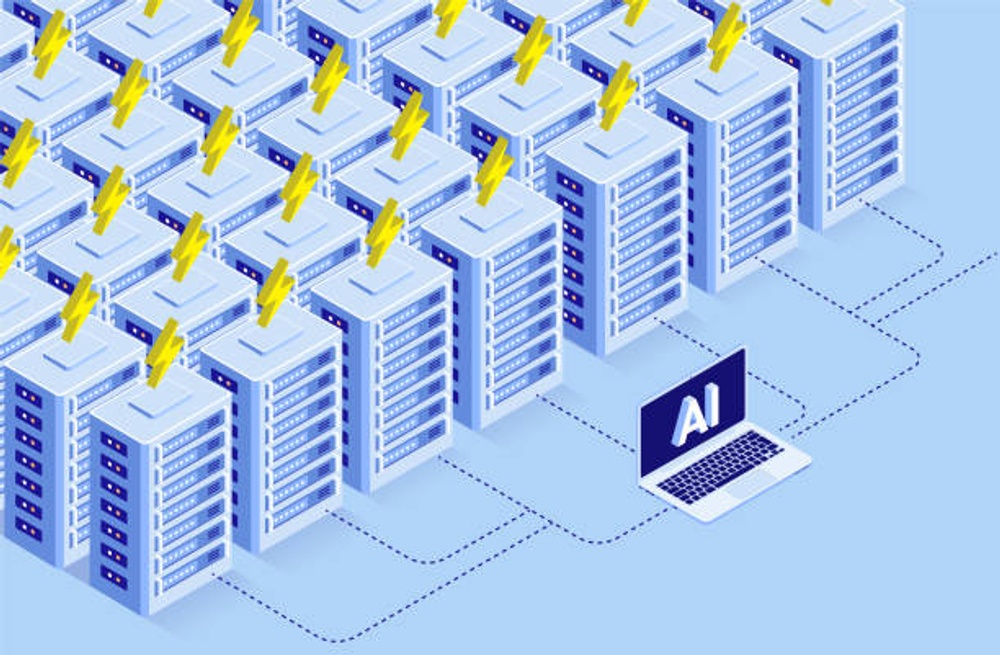
On the back of our recent pieces around energy infrastructure for AI data centres, a recent Forbes article "Why AI Data Centres Need a Different Breed of Energy Storage", encapsulates something we're tracking closely at the moment: the rapid diversification of the battery stack.
For years, the default answer was Lithium-ion. High energy density, mature supply chains, simple execution. That model appears to be breaking.
Demand is shifting from steady, predictable baseloads to rapid, high-intensity power spikes that happen in seconds, not hours. As a result, the commercial focus is shifting from $/kWh only to now strongly considering $/kW and instant response capability.
As we've said for some time, Li-ion isn't going away, but it can no longer solve the problem alone. We are seeing a distinct split in the market:
🔋 Short-Duration, High-Power Storage (like Sodium-ion or ultra-capacitors) to absorb millisecond-level power surges at the rack without thermal risk or significant oversizing issues
🔋 Long-Duration Energy Storage (LDES) to firm up dedicated clean power and secure multi-day resilience at "campus scale"
Look at the commercial momentum behind LDES players right now!
These are no longer speculative tech demos; they are becoming essential asset-level infrastructure for data centre developers.
How does this impact hiring?
Battery chemistry selection is no longer an isolated procurement task. It’s a Board-level facility design and balance sheet decision. This is driving immediate demand for "T-shaped" leaders who understand the underlying physics of alternative storage, but critically possess the commercial fluency to structure offtakes, negotiate complex grid connections, and build bankable GTM strategies.
The winners in the AI expansion won't just be those securing the most compute capacity. It'll be the teams that bring in the commercial and technical talent to build a resilient, bankable energy stack!